From September 16 to 22, Wallonia's Mobility Week invited everyone to rethink their travel under the slogan « It starts with a small step ». Coordinated by the SPW Mobilité et Infrastructures, the 2026 edition highlighted walking and launched a collective challenge of 150,000 kilometers on foot or by bike. For the first time, 22 Walloon municipalities hosted Car-Free Days.
Throughout the week, hundreds of organizations offered concrete actions to encourage Walloon residents to experiment with new ways of getting around. This 2026 edition brought together 151 municipalities and associations, 112 companies, and 72 schools. Walking meetings, bike buses, bike repair workshops, carpooling breakfasts, lunchtime walks, road safety animations, and awareness campaigns on car alternatives marked the week across Wallonia.
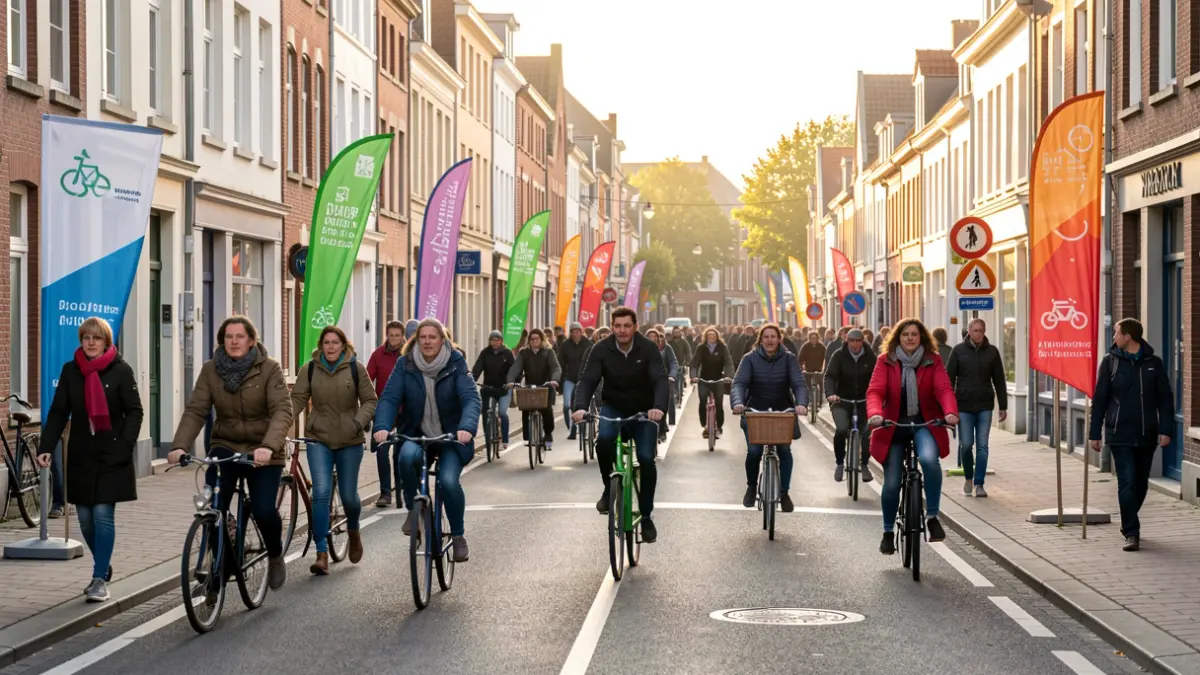
Beyond official registrations, many structures embraced the initiative, confirming the event's growing local roots and increasing interest in sustainable mobility. The first Car-Free Day at the Walloon level allowed for a rediscovery of public space in 22 municipalities, where some streets temporarily prioritized pedestrians, cyclists, children, and neighborhood activities.
Participating municipalities included: Aiseau-Presles, Ans, Ath, Bassenge, Colfontaine, Comines-Warneton, Eghezée, Hamois, Hannut, Hastière, Jalhay, Montigny-le-Tilleul, Morlanwelz, Ramillies, Saint-Ode, Sambreville, Spa, Stavelot, Tenneville, Visé, Waremme, and Wavre.
The walking and cycling challenge surpassed its goal of 150,000 km, reaching a total of 181,813 km covered by over 190 participating entities. Winners received a bike repair station, and a sports store voucher was drawn daily.
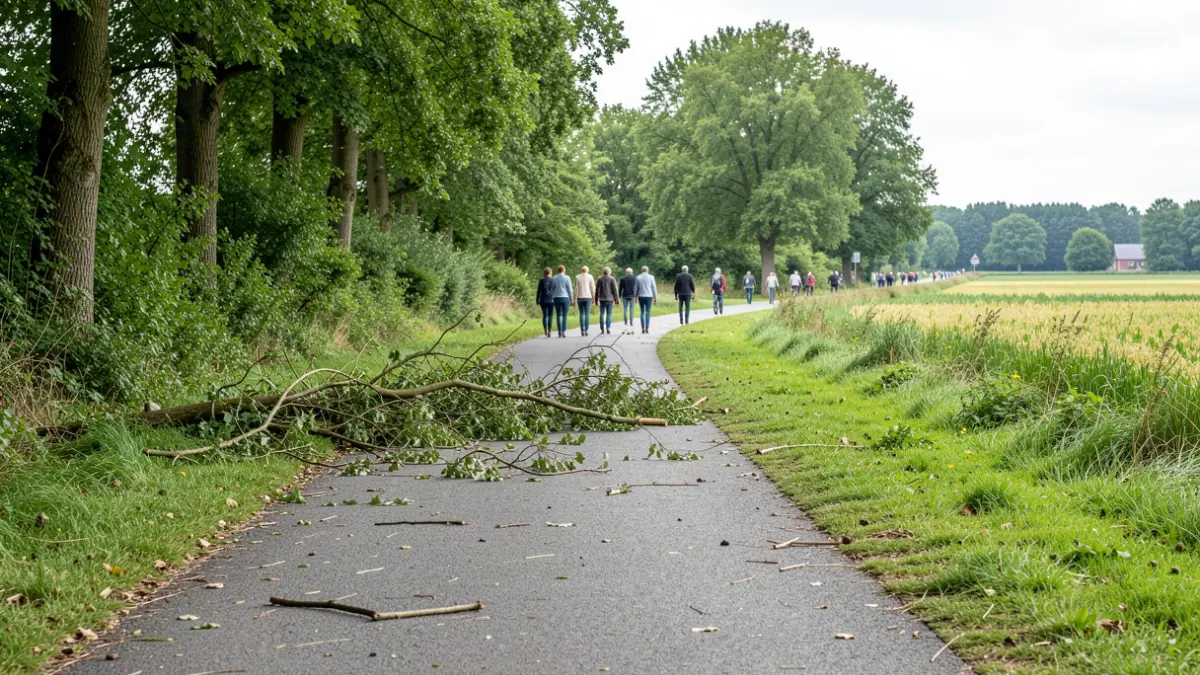
Local initiatives, such as walks in business parks, school bike buses, bike workshops, RAVeL section inaugurations, and the deployment of electric bi-articulated buses in Liège, demonstrated the diverse forms that the transition to more active and shared mobility can take.
By focusing on walking, the Mobility Week highlighted its role as the primary and final link in most journeys, contributing to health, reduced CO₂ emissions, and more pleasant public spaces. The aim is to foster lasting changes in individual habits and in the mobility policies of schools, businesses, associations, and local authorities.