Antenatal care is a key moment for family health. Early detection of psychosocial vulnerabilities can improve maternal and pediatric outcomes. The 'Born in Belgium Professionals' program, developed as part of the federal '1000 days' project, uses integrated care models for this screening.
A pilot study was carried out at the Centre hospitalier régional de la Haute Senne in Soignies. Preliminary results identified the needs of the target population, particularly in mental health, and highlighted the importance of cross-functional communication among providers to facilitate rapid assistance. The program proved acceptable to patients and rewarding for healthcare professionals, although training and funding still require development.
Pregnant women and mothers of young children are in regular contact with healthcare professionals, offering a unique opportunity for health education and screening for psychosocial vulnerabilities. However, some groups face linguistic, cultural, or other barriers, leading to exclusion that can have negative consequences. Studies have shown the benefits of psychosocial support during pregnancy.
The Office de la naissance et de l'enfance (ONE) plays a role in this screening, but the 'Born in Belgium Professionals' (BIBP) tool aims to optimize this process, especially when the only contact with ONE occurs after birth.
Psychosocial vulnerabilities include financial problems, inadequate housing, substance abuse, domestic violence, as well as anxiety, depression, isolation, and lack of social support. Organized screening during the prenatal period is necessary to better understand populations and improve their situation before birth, as existing aid organizations are often used inefficiently.
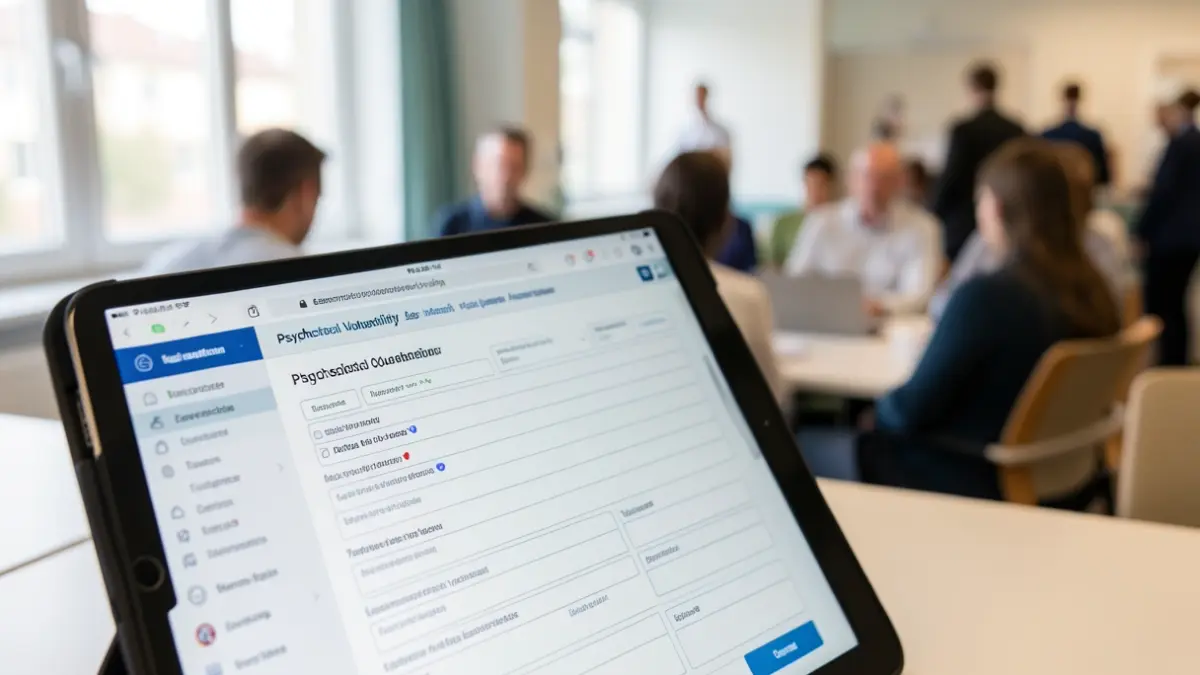
The BIBP tool is a shared computerized platform, developed on the 'Born in Brussels' model, which centralizes information on the psychosocial situation of pregnant women. It complies with the General Data Protection Regulation (GDPR) and is intended for professionals bound by professional secrecy. It allows for systematic screening of vulnerabilities and proposes an integrated care pathway tailored to the woman's needs and location.
The pilot screening at the CHR de la Haute Senne in Soignies began in March 2024. It requires informed consent and data protection information. The 60-minute screening interview ideally takes place around the 15th week of pregnancy and collects information on 13 categories of vulnerability. Each woman receives a prenatal information packet and a list of local collaborators.
If vulnerabilities are detected, the woman is directed to appointments with appropriate collaborators. A second personalized prenatal appointment (CPP) is scheduled two weeks later to verify appointment scheduling. Annual follow-up is planned for the first three years of the baby's life, ideally coordinated with ONE, the midwife, pediatrician, and social worker. These visits are reimbursed by the INAMI.
In 2024, 495 complete screenings were recorded, and 583 in 2025, with an acceptability rate of 90% by patients. The most relevant identified problems concern mental health, smoking, housing, and language barriers. A marked decrease in the 'residence status' group was observed between 2024 and 2025, corresponding to the integration of Ukrainian refugees.
Initial concerns about confidentiality and stigmatization did not pose major obstacles due to GDPR protection and the accessibility of the electronic platform. Screening at 15 weeks is ideal, although on average it took place at 22 weeks in 2025 due to catch-up. Close collaboration between the midwife and social worker is essential.
Statistical analysis of the results helps to adapt aid offerings in the region. However, a bias exists in responses, with systematic denial of debt, drug use, and domestic violence, and underrepresentation of non-French speakers. The next step will be to follow up on ongoing cases to evaluate the network's effectiveness.
The Soignies model is universally applicable but needs to be personalized. Continuous training for professionals and sufficient resources will be necessary. Monthly consultations organized by the OLS 'Cœur de Hainaut' will improve communication and collaboration.
In conclusion, the need to improve psychosocial care for pregnant women and young families is recognized. While the professional support network is in place, it is used inefficiently. The concept of integrated care is still little known, and building a robust system requires time and resources. The experience with the BIBP tool in Soignies has been positive, offering relevant help to patients in need.