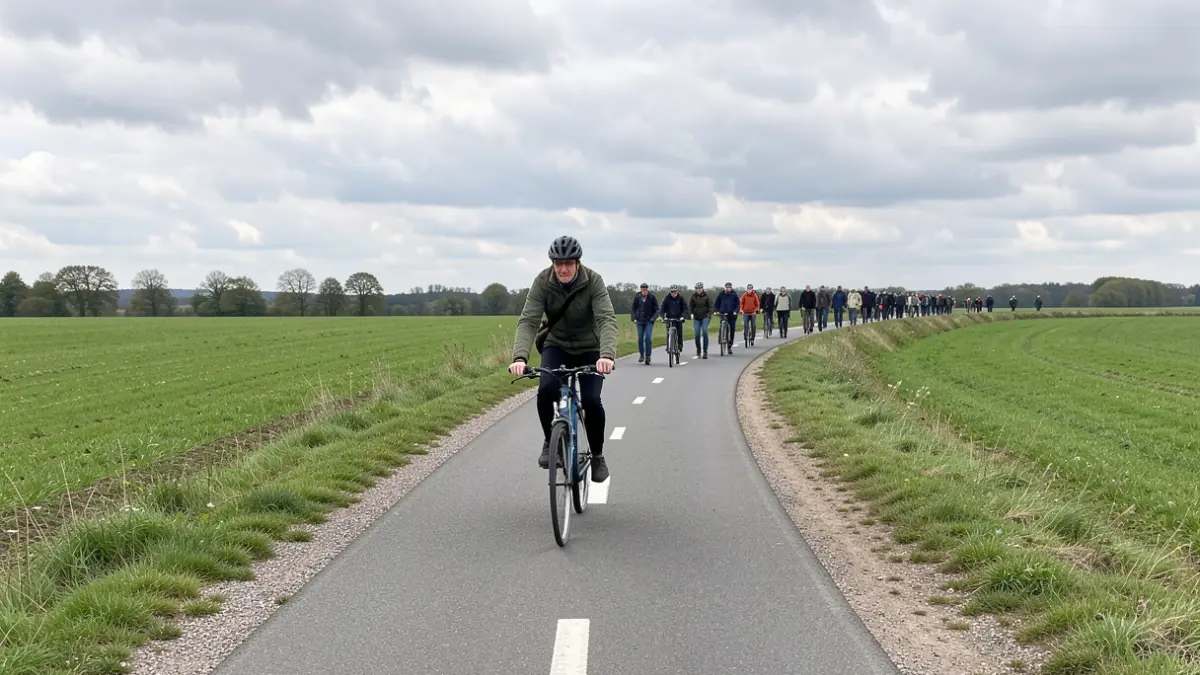
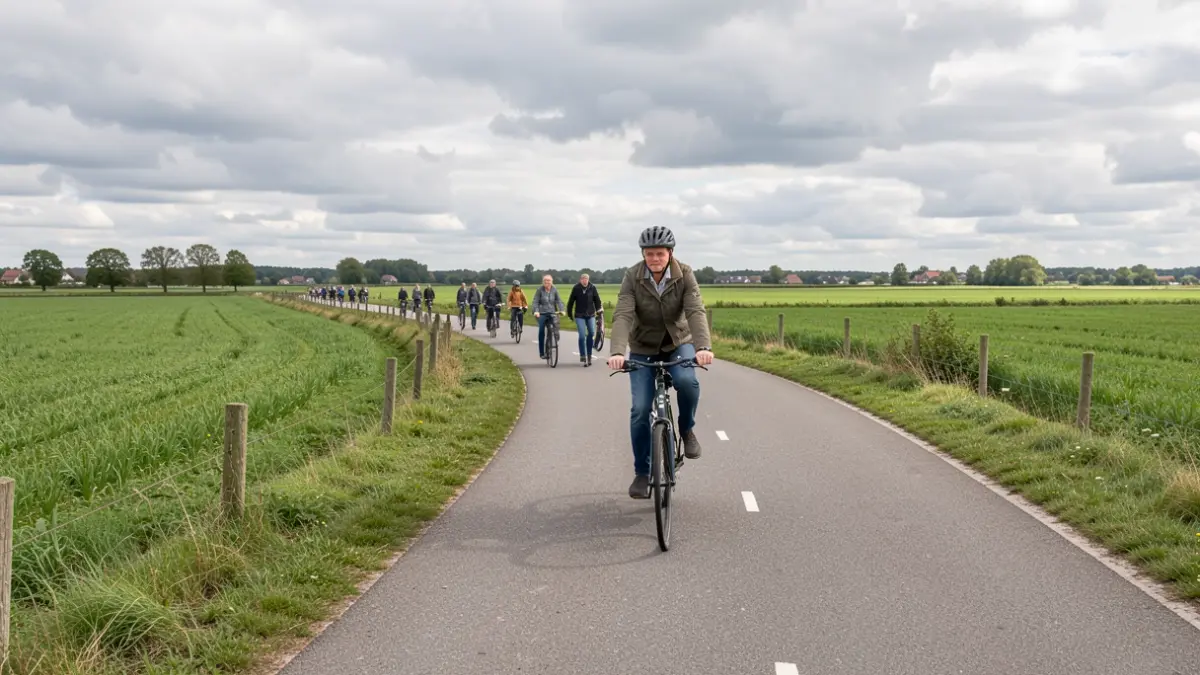
The goal is to promote daily cycling trips, such as commuting to work, taking children to school, or grocery shopping, thereby reducing car usage. Wallonia aims to increase cycling's share of daily travel from 1% to 5% and decrease car usage from 83% to 60% by 2030.
This structuring cycling network, planned for completion by 2040, will include cycle highways (high-service links separated from car traffic) and functional supra-local cycle links connecting town centers, train stations, and schools. Local connections within municipalities will be decided by each commune.
The current work involves connecting existing infrastructure, such as the RAVeL and the node network, and identifying missing links. The study, conducted since January 2026 by the Walloon Public Service for Mobility and Infrastructure with the consultancy firm Transamo, has already resulted in an intention scheme validated in April.
The citizen consultation is a crucial step to gather residents' experiences, particularly regarding aspects that make cycling routes intimidating or unsafe. Contributions will be analyzed commune by commune for the next version of the network, to be reviewed in early 2027.
Each proposal will be assessed for technical and financial feasibility, and a report will detail how they have been processed.