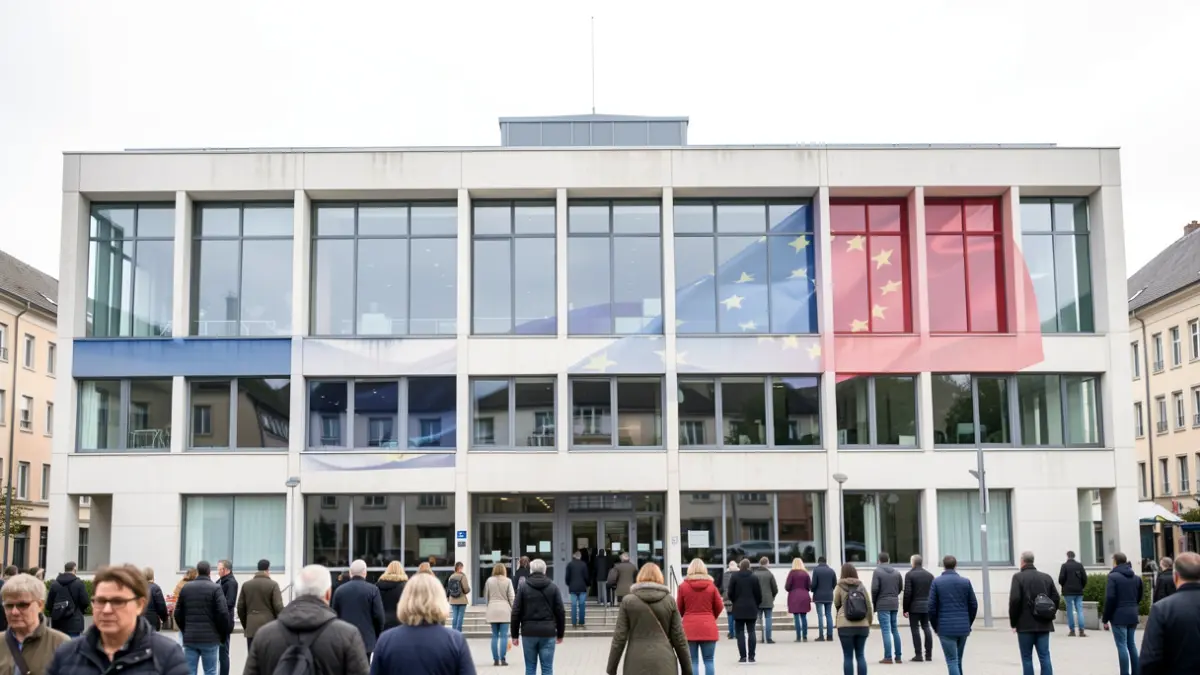
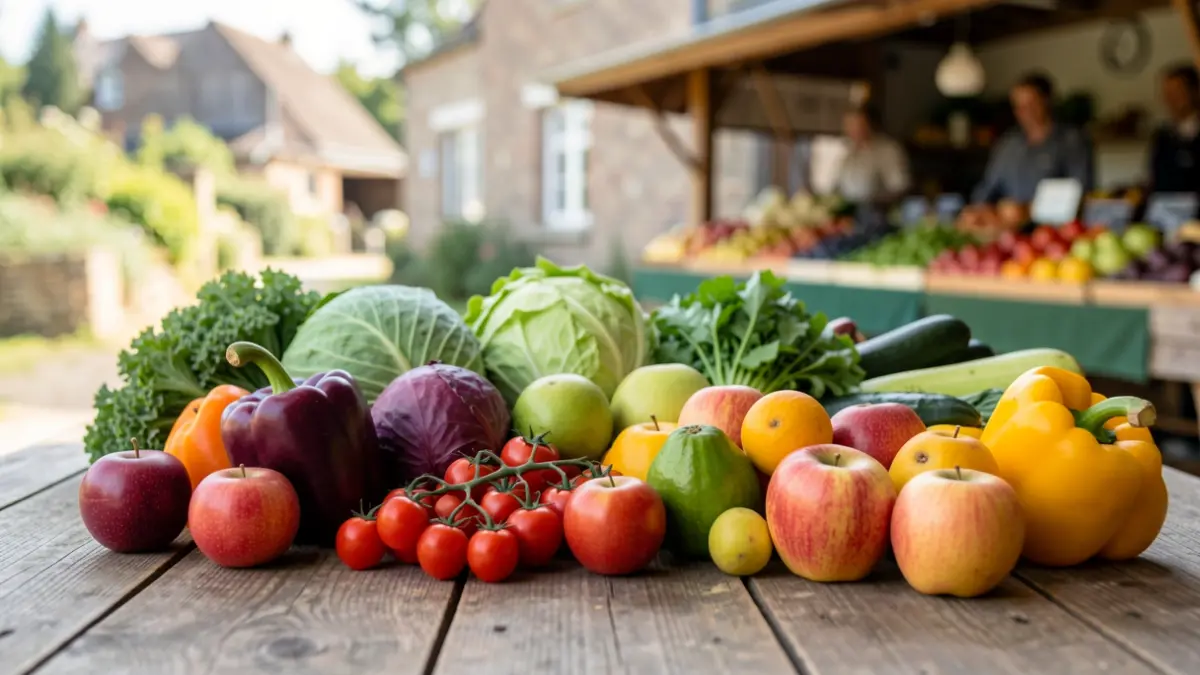
On October 6th, producers, professional buyers, and logistics actors gathered in Estinnes-au-Val for the second edition of the Professional Meetings on Short Circuits of the Region of Centre. Organized as part of the Territorial Food Project (PAT), the day aimed to better understand the obstacles faced by professionals, identify levers for action, and encourage new local collaborations around short circuits.
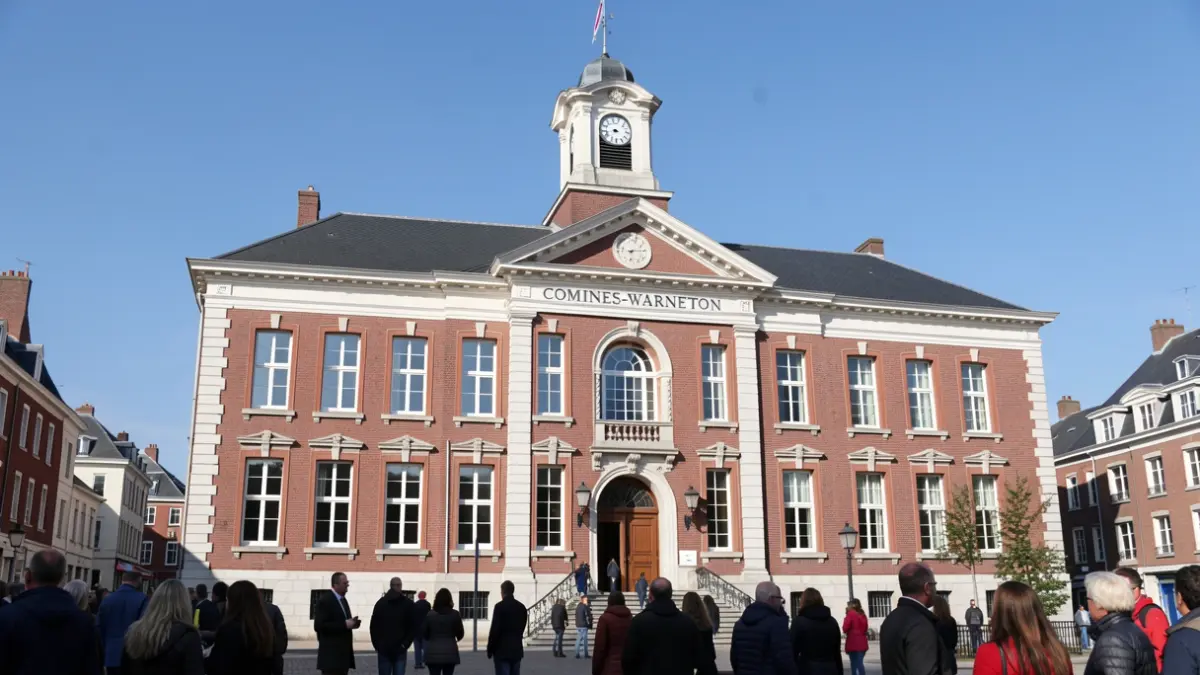
The day was structured around three key moments: a presentation of the Territorial Food Project, working group discussions with participants, and a field visit. The choice of Estinnes-au-Val reflects the desire to bring reflections closer to local realities. As recalled by Madame Tourneur, Bourgmestre of Estinnes, the municipality and, more broadly, the Region of Centre, has a fabric of producers and food expertise that offers favorable potential for the development of short circuits. Centropôle, the Federation of Municipalities of the Region of Centre, also works on health-related themes within its missions.
Provincial Councillor Siassia-Bula highlighted several observations underscoring the importance of acting on our food system: significant food waste, low fruit and vegetable consumption among young people, and sometimes limited access to points of sale offering short-circuit fresh products. These realities emphasize the value of developing local, accessible, and sustainable food systems.
This meeting is part of an initiative launched several years ago by local stakeholders. Since 2020, the Food Policy Council (CPA) of Cœur du Hainaut has brought together producers, distributors, citizens, public authorities, and other food-related actors to contribute to the transition towards a more sustainable food system. In the first quarter of 2026, this dynamic continued with the collective development of an application dossier for the "Territorial Food Project" call for projects launched by Wallonia. The territory's selection recognizes the work done and, above all, marks a new stage. The PAT aims for the relocalization of food and access to quality food for all, based on three principles: co-constructing priorities with local actors, coordinating and strengthening existing initiatives, and experimenting and innovating for local solutions.
After the presentations, participants were divided into working groups. The objective was to draw from their concrete experiences to identify the difficulties encountered in developing short circuits, as well as the levers that could help overcome them. Discussions focused on two themes: the daily challenges and opportunities for professionals, and the actions that could be implemented and the follow-up to the initiated dynamic. These discussions aim to generate action plans based on the needs expressed directly by field actors.
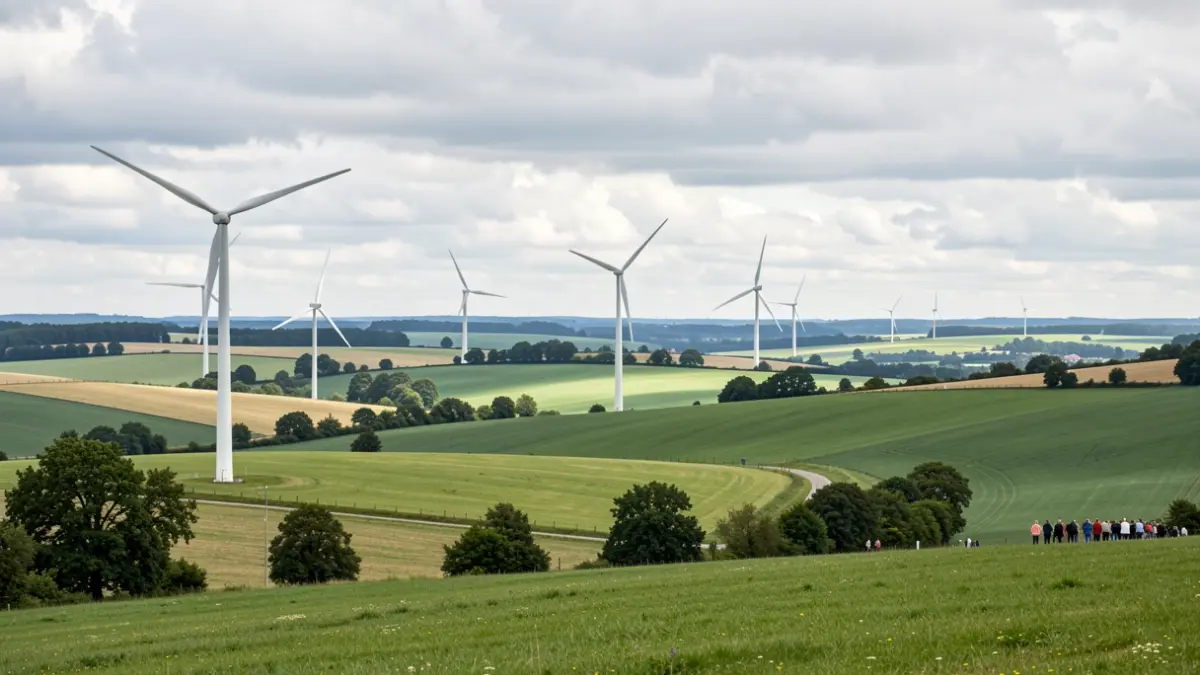
In the afternoon, participants visited the Ferme Legat. This visit allowed for continued discussions in a practical setting, addressing the realities faced by producers: organization, equipment, outlets, logistics, and relationships within the food chain. It also served to illustrate, at the farm level, the solutions that can be implemented to develop local circuits.
This second professional meeting thus constitutes a further step in building a territorial dynamic around short circuits. By bringing together those who produce, buy, and organize product circulation, the initiative seeks to move beyond observations to foster collaborations and solutions adapted to the territory's realities. This initiative is part of the Festival Nourrir le Cœur du Hainaut.