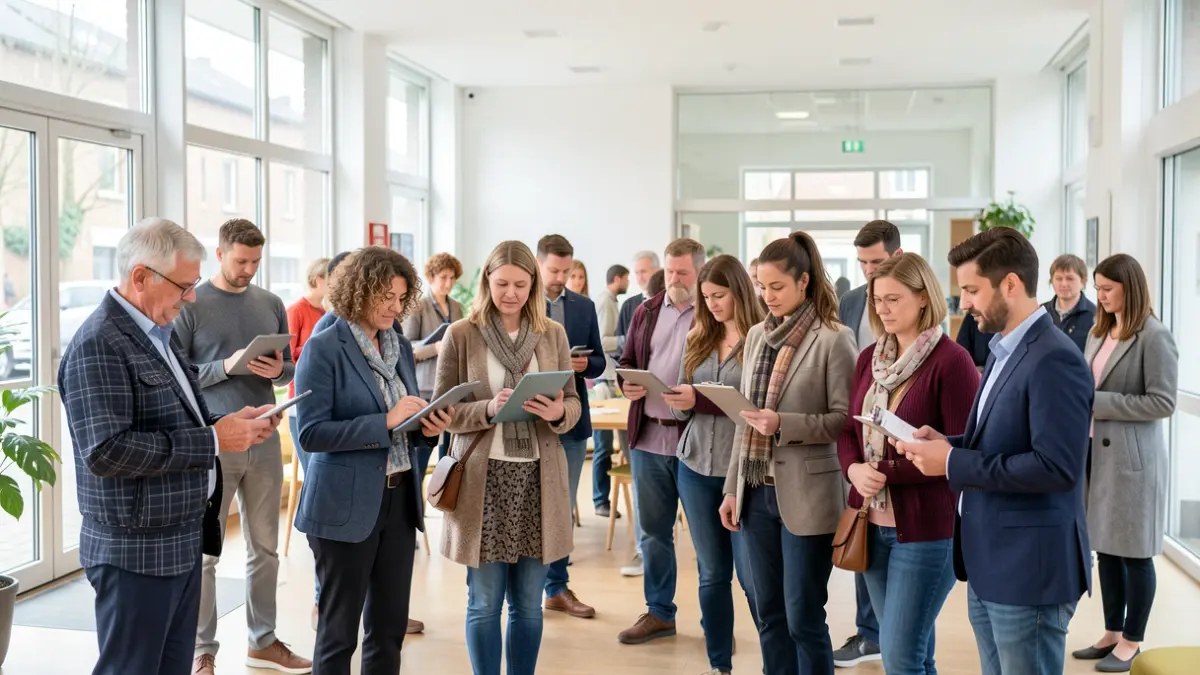
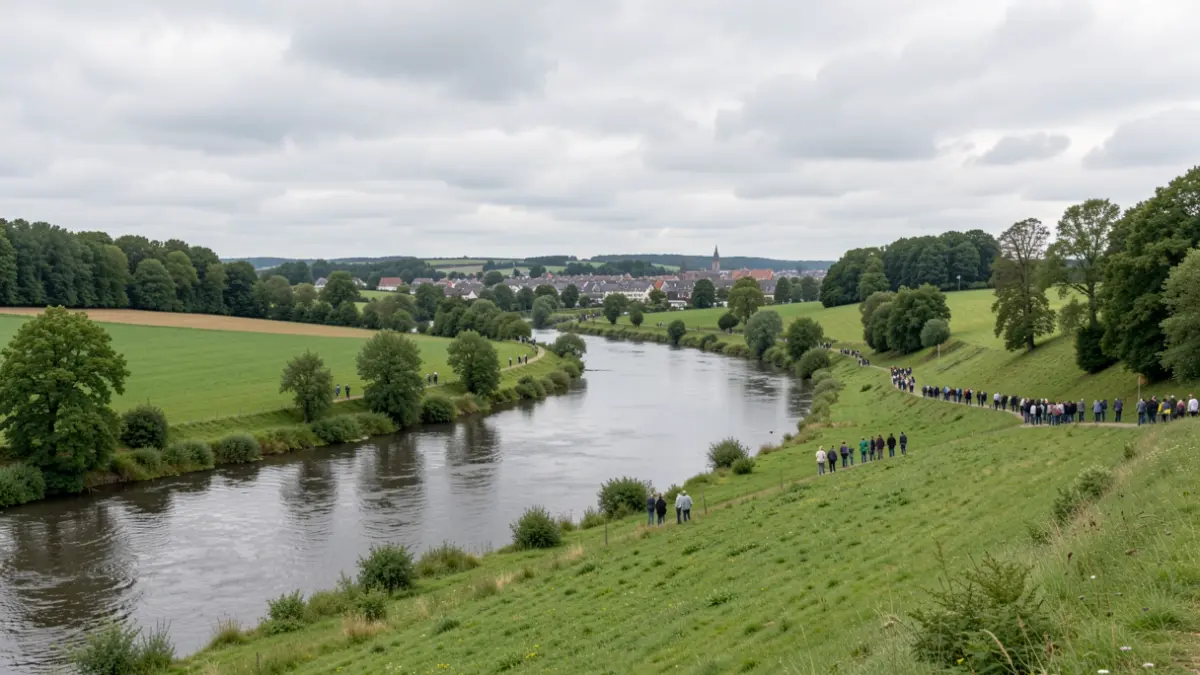
Organized by the river contracts of Wallonia and the Walloon Region, these committees aim to gather municipalities, provincial and regional services, inter-municipal bodies, and rescue services around water-related issues. The goal is to develop integrated and sectorized strategies for better flood prevention and management.
In accordance with the European Floods Directive, participants identified priority actions for future plans. These include better consideration of flood risk in spatial planning, de-impermeabilization of areas, preservation of wetlands, and development of nature-based solutions to slow down runoff. Improving territorial knowledge through updated inventories and mapping was also emphasized.
Identified challenges, such as a lack of human resources and saturated sewage networks, necessitate strengthened coordination among different entities. Pooling resources and sharing experiences are envisioned to optimize interventions.
Crisis management preparedness and post-event feedback are also crucial. Effective communication between rescue services and municipalities, along with a shared inventory of available resources, are essential for a rapid and coordinated response in case of flooding.
Regarding watercourse management, discussions focused on targeted dredging, sludge management, maintenance and planting of riparian vegetation, and informing riparian inhabitants. Re-meandering and solutions promoting the natural functioning of watercourses are encouraged.
Three priorities emerge from these reflections: strengthening coordination at the watershed level, sharing knowledge and resources, and developing coordinated actions combining prevention, spatial planning, watercourse management, and crisis preparedness. These elements will contribute to enhancing resilience to floods.